
Investing in cedar mulch is one of the smartest moves a Colorado homeowner can make to boost curb appeal and protect delicate plant roots. It smells great, deters bugs, and holds up remarkably well compared to alternative wood chips. But like any hardworking landscaping material, it eventually breaks down. Generally speaking, you can expect a high-quality layer of cedar mulch to last between 2 and 3 years before it loses its effectiveness and requires a fresh update.
What Factors Affect How Long Cedar Mulch Lasts in Colorado Landscapes?
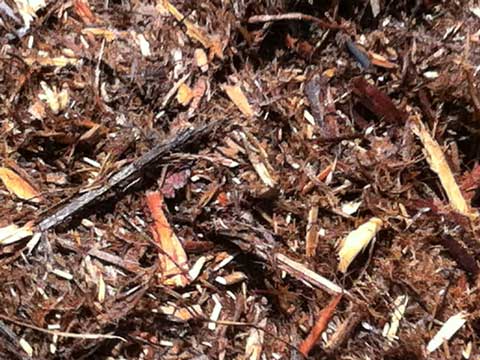
Premium Cascade cedar mulch provides an attractive, protective barrier for your soil, typically lasting 2 to 3 years before requiring a refresh.
In Colorado, the longevity of your mulch is heavily influenced by the environment. The state’s intense, high-altitude ultraviolet (UV) radiation accelerates the bleaching process, stripping the mulch of its natural oils and rich color faster than in lower-elevation regions. Colorado’s notoriously arid climate and frequent high winds can also physically displace lighter, shredded wood pieces over time.
Soil moisture and irrigation habits also play a critical role. While cedar decomposes more slowly than softer woods due to its natural resins, areas under heavy automated irrigation or prone to seasonal downpours will experience faster breakdown. In ultra-dry zones, the mulch may dry out and become brittle, making it susceptible to wind erosion.
Keep in mind that the texture matters. Double-shredded cedar mulch binds together well to resist wind, but thinner layers will naturally decompose more quickly than a thick, well-installed bed.
How Can Homeowners Tell When It’s Time to Refresh or Replace Mulch?
Knowing when to tend to your landscape beds keeps your soil protected. The most obvious indicator is severe color fading; when your vibrant reddish-brown ground cover turns a uniform, dull silver-grey, it has lost its UV protection. Another clear sign is visible thinning or bare spots where the underlying soil or weed-barrier fabric becomes exposed, which invites aggressive weed growth and robs soil moisture.
You can also perform a quick physical check. Dig your fingers into the layer; if the shredded wood pieces crumble easily into fine dust or take on a dirt-like consistency, the cedar mulch has decomposed and lost its structural benefits. If the layer has simply faded but is still structurally intact, you may only need a top-dress refresh rather than a full replacement.
Connect with All Around Soil & Stone today for premium cedar mulch delivery and professional installation services tailored to your yard.


