
If you’ve ever tried digging a garden bed along the Front Range or in the mountains, you already know the frustration of Colorado dirt. Homeowners here are usually dealt one of two extremes: stubborn, rock-hard clay that suffocates roots, or loose, mountain sand that lets water drain away instantly. If you are tired of battling your yard, it’s time to introduce Organic Compost to your landscaping strategy. This single, natural amendment acts as the ultimate soil equalizer, rewriting your dirt’s physical makeup to create a welcoming home for stunning plants.
Nutrient Enrichment and Soil Structure with Organic Compost
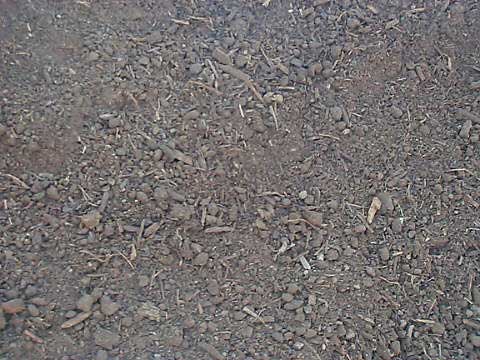
Organic Compost naturally enhances soil quality, helping plants develop stronger roots and thrive with improved nutrient availability.
One of the greatest benefits of Organic Compost is its ability to radically improve soil architecture and nutrient availability. Colorado soils typically suffer from two extremes: dense Front Range clay that suffocates roots, or porous mountain sand that lets water drain away too quickly.
Compost acts as a master equalizer. When mixed into clay, it breaks up heavy particles, creating vital air pockets that allow roots to breathe and expand. In sandy soils, it behaves like a sponge, binding loose particles together to dramatically increase moisture retention. Organic Compost also delivers a slow-release buffet of essential macro and micronutrients. Unlike synthetic fertilizers that wash away and cause chemical runoff, compost binds to soil particles, feeding your lawn, shrubs, and perennials steadily over time.
Microbial Activity and Natural Fertility
Beyond physical structure, Organic Compost injects life back into your landscape. Healthy soil is not sterile; it is a thriving, dynamic ecosystem. A single teaspoon of rich compost contains billions of beneficial microbes, fungi, and bacteria.
When you add compost to your garden beds, you are introducing these micro-organisms, which immediately go to work breaking down organic matter into forms that plant roots can easily absorb. This biological activity establishes a symbiotic relationship called the mycorrhizal network, which helps plants draw deep moisture and fend off localized diseases. Over time, this active microbial population builds self-sustaining natural fertility, regulating soil pH levels and minimizing the need for expensive, harsh chemical additives. The result is resilient plants that can better withstand Colorado’s hot summers and freezing winters.
Whether you are laying new sod, establishing a native perennial garden, or trying to revive a struggling vegetable patch, the evidence is clear: Organic Compost is the single best investment you can make for long-term landscaping success. It heals your soil, saves water, and produces healthier, more vibrant plants naturally. Consult with All Around Soil & Stone today to discover the perfect compost blend tailored for your property’s specific needs!


